
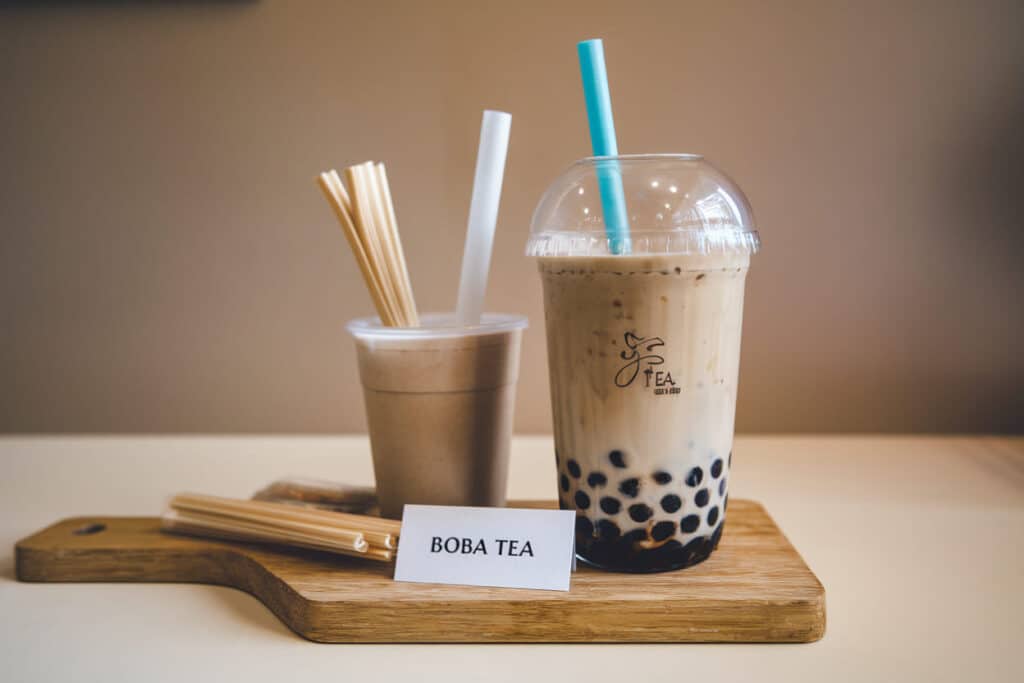
Does Boba Tea Have Caffeine? Understanding What’s in Your Favorite Drink
Boba tea, also known as bubble tea, has become a global sensation for its unique combination of tea, milk, and chewy tapioca pearls. While many fans love its sweet and creamy flavor, a common question arises: Does boba tea have caffeine? Whether you’re looking to enjoy boba tea in the morning for a pick-me-up or late at night without losing sleep, knowing the caffeine content is key.
This blog will explore whether boba tea contains caffeine, how much is typically present, and what influences its caffeine levels. We’ll also highlight some caffeine-free options for those who prefer to skip the buzz.
The Quick Answer: Does Boba Tea Contain Caffeine?
Yes, most boba teas do contain caffeine. Since the majority of boba milk tea recipes use tea as a base ingredient, the caffeine content will depend on the type of tea used. Common tea bases like black tea, green tea, and oolong tea all naturally contain caffeine, making boba tea a source of this energizing compound.
However, the caffeine level in boba tea is generally lower than that of a cup of coffee, making it a milder option for those who want a boost without the jitters.
How Much Caffeine Is in Boba Tea?
The exact caffeine content in boba tea can vary depending on several factors, including the type of tea, serving size, and preparation method. Here’s a breakdown of common tea bases and their typical caffeine levels:
1. Black Tea-Based Boba Milk Tea
- Caffeine Content: Approximately 40-70 mg per 8 oz.
- Black tea is one of the most common bases for boba tea, offering a rich, bold flavor. The caffeine content can range depending on how the tea is brewed, but it’s usually higher than green tea or oolong tea.
2. Green Tea-Based Boba Tea
- Caffeine Content: Approximately 20-45 mg per 8 oz.
- Green tea offers a lighter, more refreshing base for boba tea and typically contains less caffeine than black tea. Popular variations like matcha boba, which uses powdered green tea, can have slightly higher caffeine levels (around 70 mg) due to its concentrated nature.
3. Oolong Tea-Based Boba Tea
- Caffeine Content: Approximately 30-50 mg per 8 oz.
- Oolong tea strikes a balance between black and green tea in both flavor and caffeine levels, making it a versatile choice for boba milk tea lovers.
4. Herbal Tea or Non-Tea Bases
- Caffeine Content: None (in most cases).
- For caffeine-free options, many boba tea shops offer herbal tea bases like hibiscus or fruit infusions. Some specialty drinks, like brown sugar boba milk tea, don’t use tea at all, instead relying on milk, brown sugar syrup, and tapioca pearls.
Factors That Affect Caffeine Levels in Boba Tea
1. Type of Tea Used
The tea base is the primary source of caffeine in boba tea. Black and matcha teas generally have higher caffeine content, while herbal teas are naturally caffeine-free.
2. Brew Strength
How the tea is brewed also influences caffeine levels. Longer steeping times and higher temperatures extract more caffeine from tea leaves.
3. Serving Size
Most boba tea servings are larger than standard cups of tea, typically ranging from 16 to 24 ounces. This larger size means you’re likely consuming more caffeine than the typical estimates for an 8 oz. cup of tea.
Caffeine-Free Boba Tea Options
If you love boba tea but want to avoid caffeine, you’re in luck – there are plenty of options available:
1. Brown Sugar Boba Milk
This popular choice skips the tea entirely. Instead, the focus is on creamy milk (or plant-based milk), sweetened with caramelized brown sugar boba syrup and paired with soft, chewy tapioca pearls.
2. Herbal Tea-Based Boba
Herbal teas like chamomile, hibiscus, or fruit-based blends are naturally caffeine-free and can be used as a refreshing base for boba tea.
3. Flavored Milk or Smoothies
Many boba shops offer caffeine-free drinks like taro milk, coconut smoothies, or mango slushies, which pair perfectly with tapioca pearls.
Is Boba Tea a Good Option for Caffeine-Sensitive Drinkers?
For those who are caffeine-sensitive, traditional boba tea may still be an option in moderation, especially if you opt for lighter tea bases like green or oolong tea. Additionally, you can ask your boba shop to dilute the tea or use a smaller amount of tea in your drink to reduce caffeine levels.
Alternatively, going for caffeine-free versions like brown sugar boba milk tea or fruity blends ensures you can enjoy the full boba tea experience without worrying about caffeine jitters.
Why Does the Caffeine in Boba Tea Matter?
Understanding the caffeine content in boba tea helps you make informed choices based on your lifestyle and preferences. Whether you’re looking for a midday energy boost or a sweet treat to unwind with, knowing what’s in your drink can help you strike the right balance.
For many, the mild caffeine levels in boba tea make it a great alternative to coffee – delivering just enough energy without overwhelming your system. Add in the chewy texture of tapioca pearls, and it’s easy to see why boba tea is such a popular choice.
Boba tea’s caffeine content depends on its tea base, preparation, and size, but it’s versatile enough to suit almost everyone’s needs. Whether you’re a fan of classic boba milk tea, trendy brown sugar boba, or caffeine-free fruit blends, there’s a version of this beloved drink for every taste and occasion.